The Lifeline and 988
When people call, text, or chat 988, they will be connected to trained counselors that are part of the existing National Suicide Prevention Lifeline network. These trained counselors will listen, understand how their problems are affecting them, provide support, and connect them to resources if necessary.
The current Lifeline phone number (1-800-273-8255) will always remain available to people in emotional distress or suicidal crisis, even after 988 is launched nationally.
The Lifeline’s network of over 200 crisis centers has been in operation

Phone and TEXT Support available ☝🏼
Podcast:
The Leftover Pieces: Suicide Loss Conversations
Books:
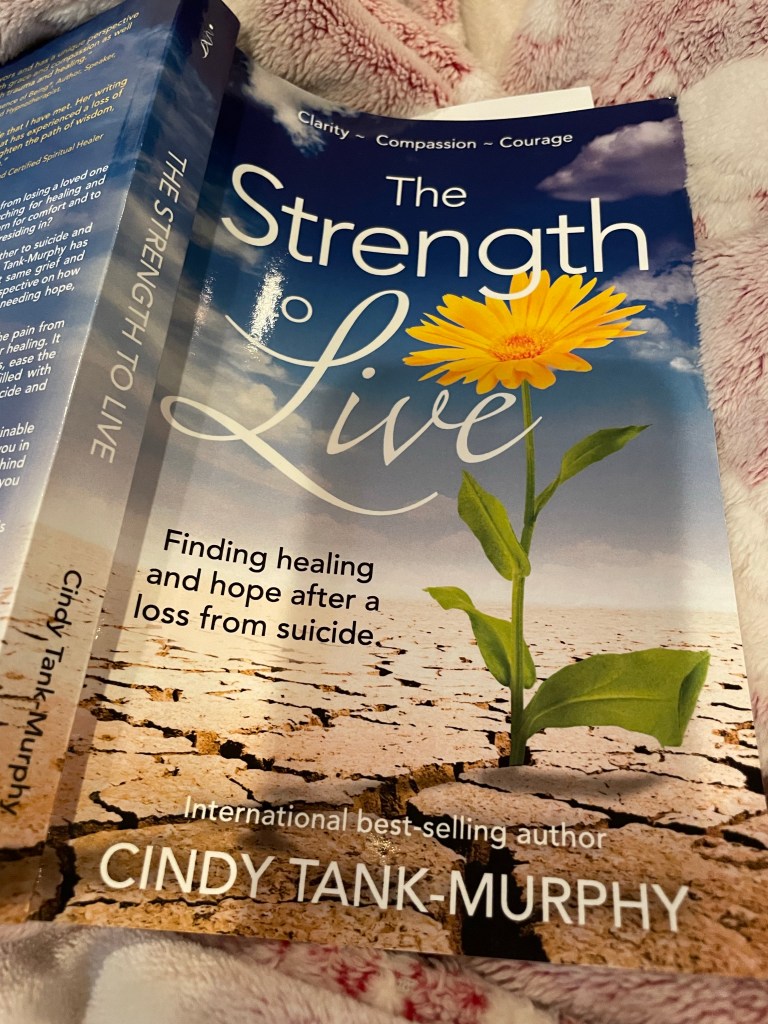
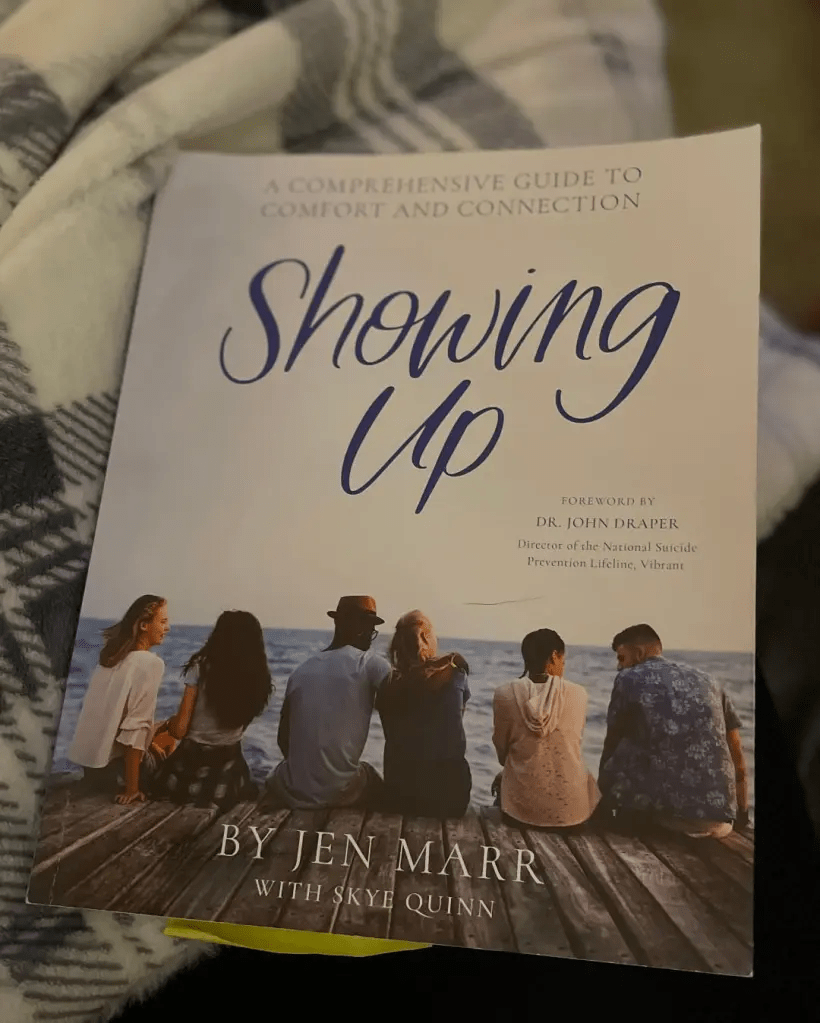
A great book for all to read. We need to support each other and get out of the “Awkward Zone”
Saving Ourselves From Suicide- Before and After: How to Ask for Help, Recognize Warning Signs, and Navigate Grief, by Linda Pacha Linda Pacha has firsthand knowledge of the devastation caused by a loved one’s suicide and the excruciating pain from losing a child. In 2013, her teenage son, Nick, died by suicide while away at college. Linda shares her insights gained through hindsight from his painful life, tragic death, and her family’s grief journey
My Son… My Son: A Guide to Healing after Death, Loss or Suicide
Iris Bolton and Curtis Mitchell, Bolton Press Atlanta, 1983.
Author Iris Bolton recounts the loss of her twenty-year-old son to suicide and provides advice for others who have experienced a similarly devastating loss. She explores the stigma of suicide loss, feelings of having failed as a parent, and ways to heal.
Dying to Be Free: A Healing Guide for Families after a Suicide
Beverly Cobain and Jean Larch, Hazelden Foundation, 2006
My Living Will by John Trautwein
MY LIVING WILL is a candid and inspirational story by the Will To Live Foundation’s co-founder, John Trautwein. A journey that begins when the Trautwein family awoke to the heartbreaking discovery that their teenage son had completed suicide.
I’ll Write Your Name on Every Beach: A Mother’s Quest for Comfort, Courage and Clarity after Suicide Loss
Susan Auerbach, Jessica Kingsley Publishers, 2017.
This intimate memoir tells the story of a mother’s grief journey in the wake of her son’s suicide. In the words of Dr. Jack Jordan, an international authority on suicide loss, the book is also “helpfully organized around themes and issues that survivors will inevitably encounter, such as the bodily impact of suicide loss and guilt and responsibility. Who should read this book? Anyone who has lost a loved one to suicide; … anyone who wishes to support a suicide loss survivor; and above all, any and every mother who has lost a child to suicide.”
No Time to Say Goodbye: Surviving the Suicide of a Loved One
Carla Fine, Broadway Books, 1999.
Drawing on the experience of losing her husband to suicide and subsequent interviews with scores of suicide loss survivors, as well as the expertise of counselors and mental health professionals, Carla Fine provides invaluable guidance to the families and friends who are left behind in the aftermath of a suicide.
The Empty Chair: The Journey of Grief after Suicide
Beryl Glover, In Sight Books, 2000.
The grief process, as experienced by people dealing with varying emotions following the suicide of a family member
Rare Bird: A Memoir of Loss and Love
On an ordinary September day, twelve-year-old Jack is swept away in a freak neighborhood flood. His parents and younger sister are left to wrestle with awful questions: How could God let this happen? Can we ever be happy again? In Rare Bird, Anna Whiston-Donaldson unfolds a mother’s story of loss that leads, in time, to enduring hope. This is a book about facing impossible circumstances and desperately wishing you could turn back the clock. It is about discovering that you’re braver than you think. It is about the flicker of hope and the realization that in times of heartbreak, God is closer than your own skin. With this unforgettable account of a family’s love and longing, Anna will draw you deeper into a divine goodness that keeps us–beyond all earthly circumstances–safe.
Too Bruised to be Touched by Ron Rolheiser
There’s the horrific shock of losing a loved one so suddenly which, just of itself, can bring us to our knees; but, with suicide, there are other soul-wrenching feelings too, confusion, guilt, second-guessing, religious anxiety. Where did we fail this person? What might we still have done? What is this person’s state with God?
What needs to be said about this? First, that suicide is a disease and generally the most misunderstood of all sicknesses. It takes a person out of life against his or her will, the emotional equivalent of cancer, a stroke, or a heart attack. Second, we, those left behind, need not spend undue energy second-guessing as to how we might have failed that person, what we should have noticed, and what we might have done to prevent the suicide. Suicide is an illness and, as with any sickness, we can love someone and still not be able to save that person from death. God loved this person too and, like us, could not, this side of eternity, do anything either. Finally, we shouldn’t worry too much about how God meets this person on the other side. God’s love, unlike ours, can go through locked doors and touch what will not allow itself to be touched by us.

 Remembering Matthew
Leave a comment